
Connected Planning
Unified planning across your entire channel.
Blue Ridge Connected Planning securely shares forward-looking forecasts and order projections from distributors to suppliers – so the whole channel plans against real demand – and stockouts and excess inventory both stop where they start.

Capabilities
Where distributor forecasts meet supplier plans
Connected Planning takes Blue Ridge IBP across organizational lines – daily, item-level demand projections from distributors flow securely into supplier production planning, with no spreadsheets, no manual handoffs, and no purchase commitments.
Forward-looking demand projections
Distributors share daily, item-level forecasts and order projections – not historical orders – so suppliers see what's coming, not what already happened.
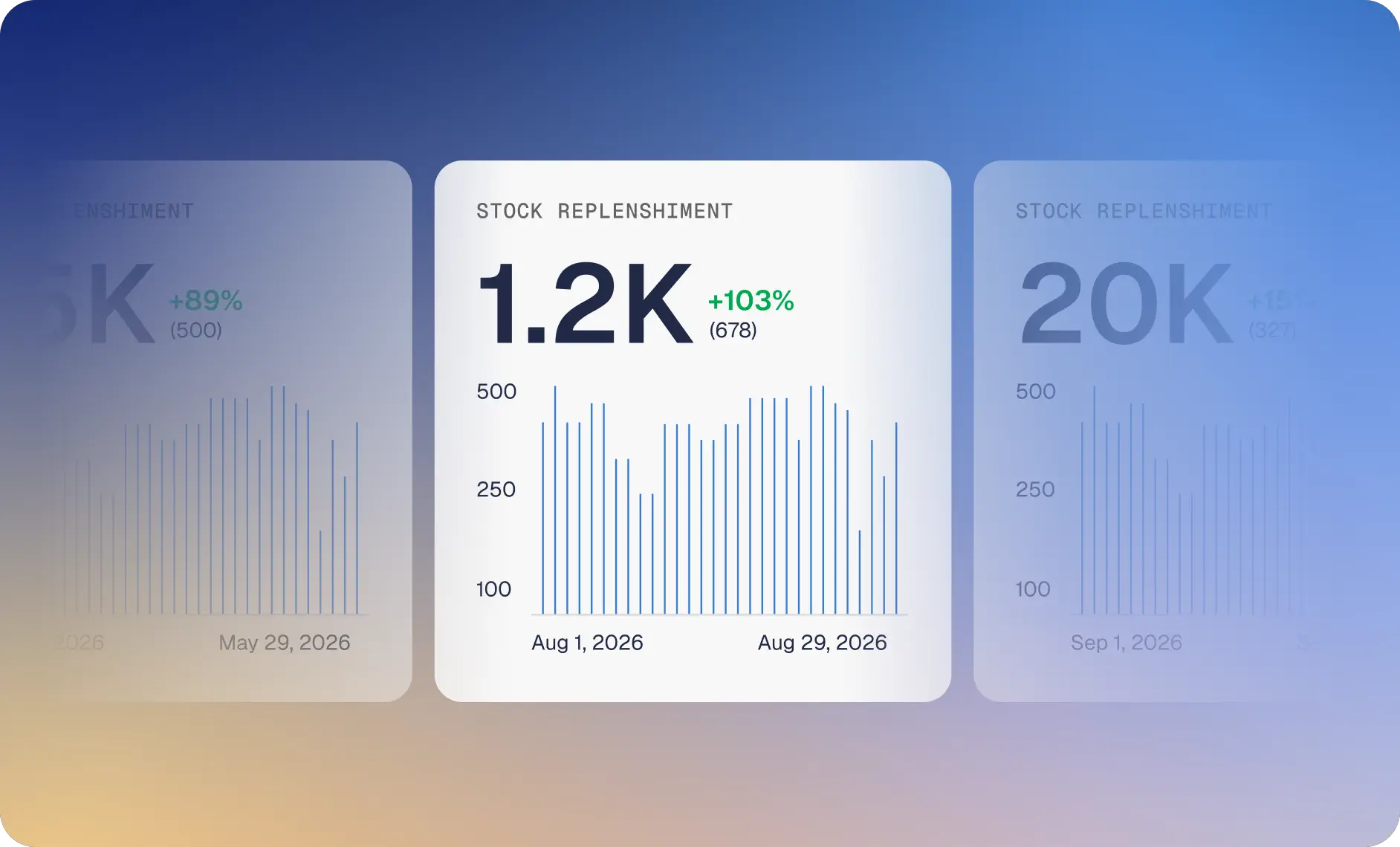
Make to stock, not to order
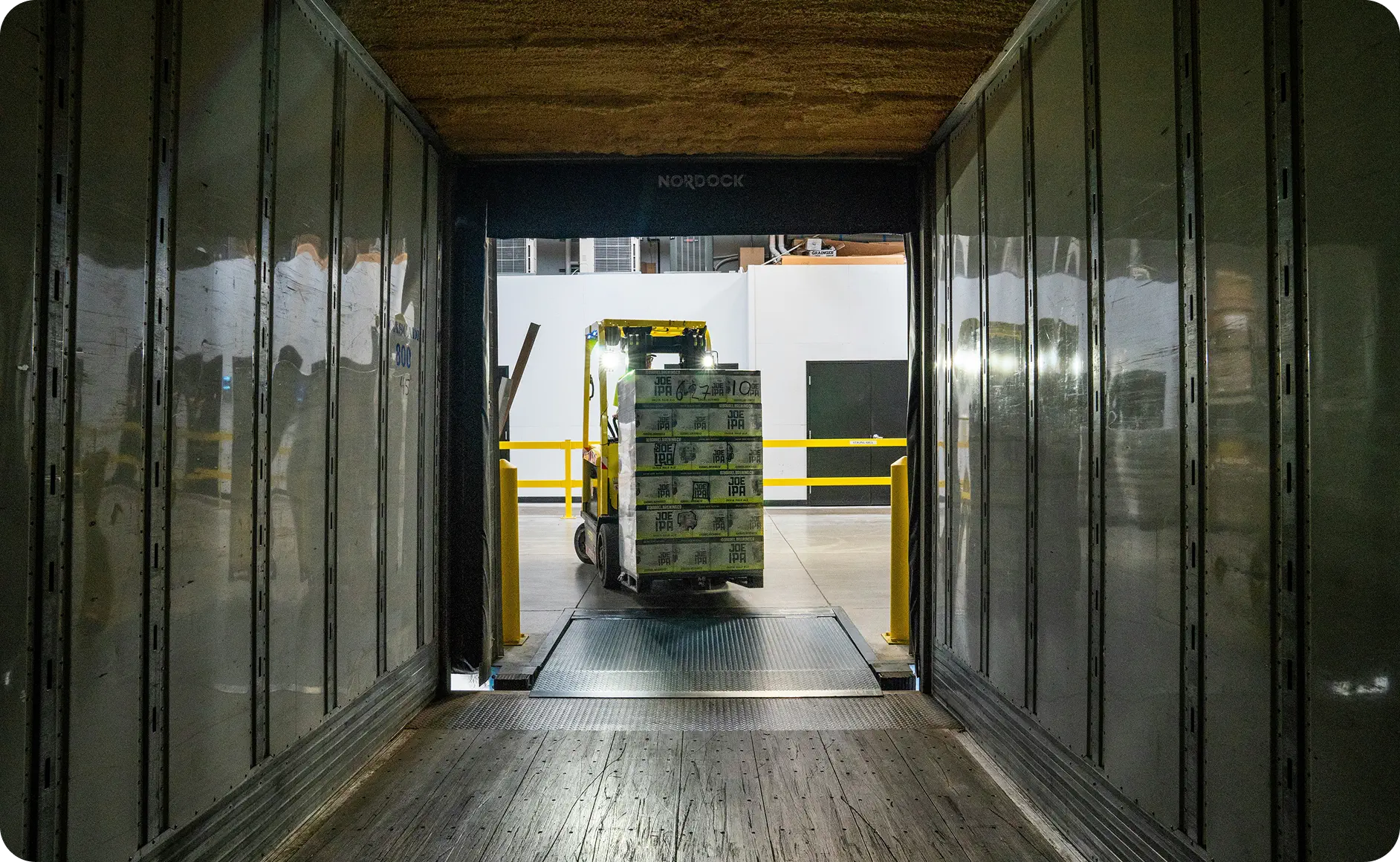
Suppliers shift from reactive ordering to proactive stocking – accurately anticipating inventory ahead of demand surges so capacity, lead times, and service levels all stabilize.
Real-time channel visibility
Both sides see the same forward signal in real time – transforming order cycles from reactive into a leading indicator for smarter buffer strategies.

Secure, governed data sharing
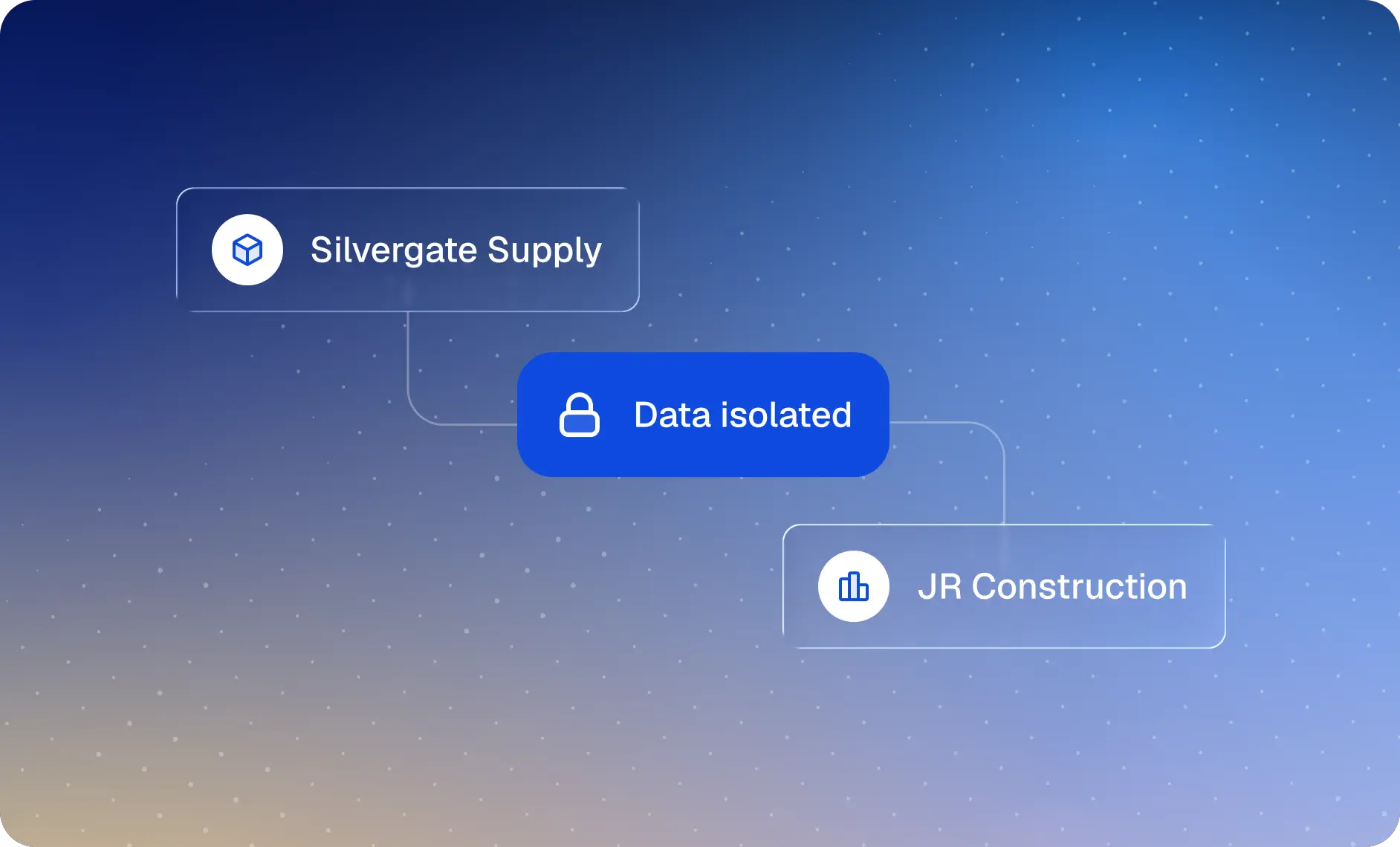
Forecast and inventory visibility flow through Blue Ridge – not spreadsheets – with defined data elements, authorization controls, and zero added workload for either side.
Proven Results
Better visibility upstream. Better service downstream.
Blue Ridge Connected Planning is the same IBP engine you trust internally – extended across the supply channel. Distributors stabilize service; suppliers stabilize production; both sides free working capital.
$18M
Decrease in average on-hand inventory

99.7%
Service level achieved
~99%
Forecast accuracy maintained
$4M
Transfer cost savings
FAQS
Your questions, answered
Can’t find what you’re looking for? Reach out to our team and we'll get you the answers you need.
Connected planning is the process of sharing forward-looking demand signals between distributors and suppliers so both sides plan from the same picture of future demand. Rather than suppliers reacting to purchase orders after the fact, connected planning gives them visibility into what distributors will need before orders are placed, stabilizing production, reducing lead times, and freeing working capital across the channel.
CPFR is a framework for aligning planning between trading partners, typically distributors and suppliers, around a shared demand forecast. The goal is to replace reactive, order-driven supply with proactive, forecast-driven production, reducing stockouts, excess inventory, and lead-time volatility across the channel. Modern connected planning tools automate much of what CPFR originally required manually.
Distributors and suppliers typically operate separate planning systems with no shared visibility into forward demand. Suppliers see purchase orders, not forecasts, so they build to historical patterns and safety stock rather than actual channel demand. The result is lead-time volatility, stockouts at peak, excess inventory in quieter periods, and working capital tied up on both sides of the relationship.
It should share item-level, forward-looking demand projections, not just historical order data, and it should do so without requiring manual handoffs or spreadsheet exchanges. Look for governed data sharing with authorization controls, real-time visibility for both sides, and integration with existing planning systems so neither party adds significant workload to participate.
Standard EDI shares what has already been ordered. Blue Ridge Connected Planning shares what distributors project they will order, giving suppliers a forward-looking demand signal they can actually build production around. The difference is the shift from reactive to proactive: suppliers see the demand before it becomes an order, not after it already has.
ADP cut order-to-ship cycle time from 45 days to 7.5 in two quarters after connecting distributor projections directly to their production planning system. Across ADP's network, 96% of forecasted orders matched what was actually placed, and one participating distributor freed approximately $1M in working capital by reducing days of supply by 38.

How It Fits
Connected Planning extends Blue Ridge IBP across the channel
Blue Ridge Connected Planning is IBP applied between organizations – the same consensus forecast logic that aligns finance, sales, and operations internally now aligns distributor and supplier planning externally.
As part of Blue Ridge Supply Chain Intelligence, all data points are informing one another continuously – so one explainable plan drives every buying decision across the network.
Who It’s For
Built for distributors and suppliers, planning together
Connected Planning is for distributors and suppliers ready to stop chasing orders and start planning them – particularly across HVAC, automotive aftermarket, and other channels where seasonality and lead-time volatility are a significant challenge.

HVAC
ADP and Blue Ridge are connecting HVAC distributors directly to OEM production planning – stabilizing peak-season supply, reducing lead-time volatility, and freeing working capital across the channel.

Automotive
Automotive parts channels are all about service – Connected Planning gives suppliers visibility into what distributors actually need, so the right parts arrive before the customer calls.
Food & Beverage
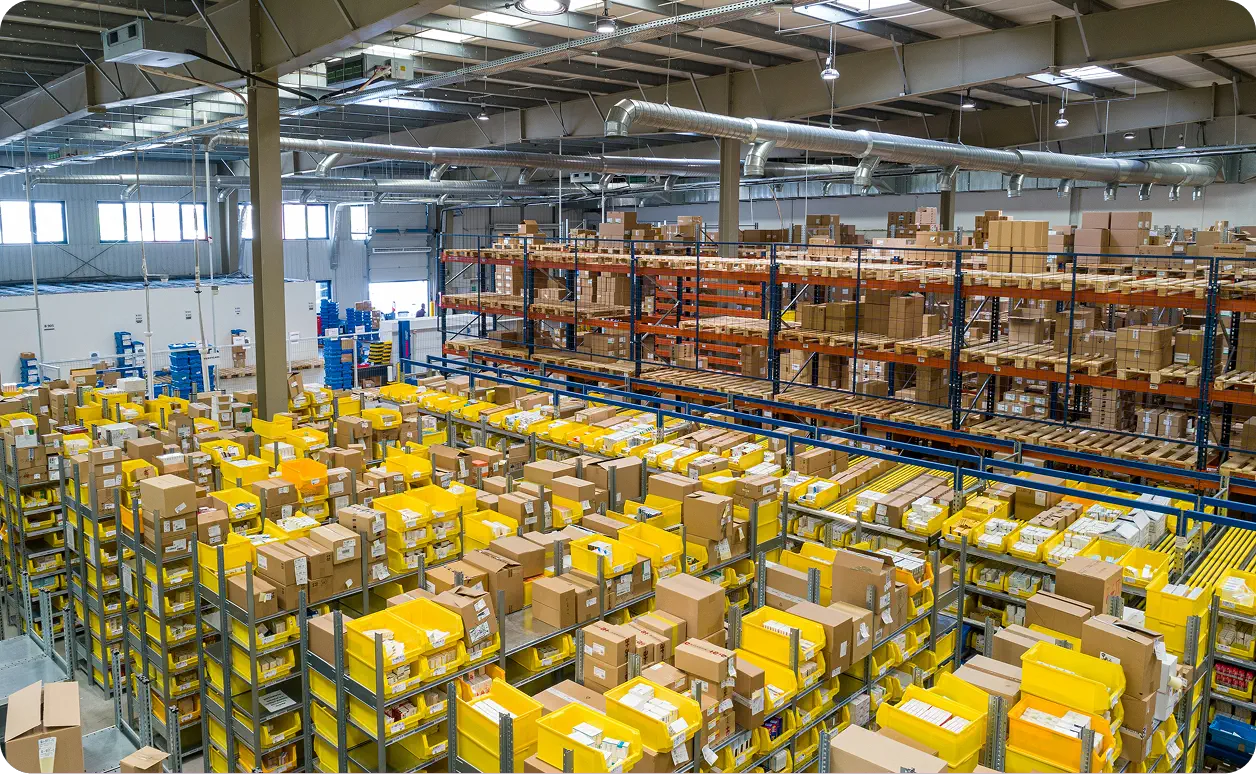
From CPG brands to wholesalers to retailers, food and beverage channels run on shelf life and promo cycles – Connected Planning makes the whole chain plan around real demand.
Customer Stories
Hear from the businesses making every decision count
"Blue Ridge has the best interface and analytics you would need as a professional purchasing buyer"
Thelma Chavez
Director of Operations
Jackson Systems is a six-division HVAC distributor generating roughly $40M in annual revenue. Before Blue Ridge, the planning team reviewed every SKU manually – a process measured in days, not hours. Exception-based planning compressed that work, freed cash from excess stock, and pushed service levels into a range the team had never sustained before.
~$1M
Drop in inventory on hand
98.1%
Service level, up from 88%

“Blue Ridge has been the most user-friendly, results-driven system that I've seen so far. Our whole planning and buying team absolutely loves it.”
Stephanie Hunn
Senior Manager, Planning
Before Blue Ridge, ISN was struggling to optimize fill rate and inventory turns simultaneously. The team evaluated multiple vendors and chose Blue Ridge for the onboarding, training, and ongoing system improvements baked into the relationship. They went live and saw measurable results from the first operating cycle forward – with the Strategic Success Practice supporting every step.
~99%
Forecast accuracy maintained
50%
Improvement in fill rates over twelve months
“The ERP handles transactions. Blue Ridge handles the intelligence. That's the difference.”
Brad Smith
SVP, Procurement & Sales
Southwest Traders supplies national restaurant chains – Panera, Einstein, Starbucks, Panda Express – from a buying team of nine to eleven working on an AS/400 ERP. Blue Ridge cut order-build time from days to a few hours, held service levels at 99.95% across blue-chip customers, and let the company onboard new brands without adding to the planning team.
99.95%
Service level across national restaurant brands
~18.5
Days on hand
“The goal wasn't just to reduce inventory. It was to have what we need, when we need it. That's exactly what Blue Ridge helped us do.”
David Mays
VP of Operations
West Virginia Electric Supply is an electrical distributor running eight branches on the Eclipse ERP. Centralizing inventory and moving to data-led replenishment let the team strip out the dead stock that had quietly accumulated for years – while service to contractors and customers held above 96% and the planning organization shifted from firefighting to forward-looking decisions.
70–80%
Reduction in dead stock
96.3%
Service level to contractors and customers